Edmonton winters are hard on asphalt. Freeze-thaw movement, snow removal, water intrusion, and heavy traffic all work together to weaken the surface and the base below it. By spring, what looked minor in the fall often shows up as larger cracks, potholes, pooling water, and unstable sections across the lot.
That is why spring is one of the most important times of year for a commercial asphalt inspection. Property owners, condo boards, retail centers, and facility managers need a clear picture of what winter left behind. A professional inspection gives that picture. It helps identify which issues are cosmetic, which ones are active failures, and which areas could become serious safety or drainage problems if left alone.
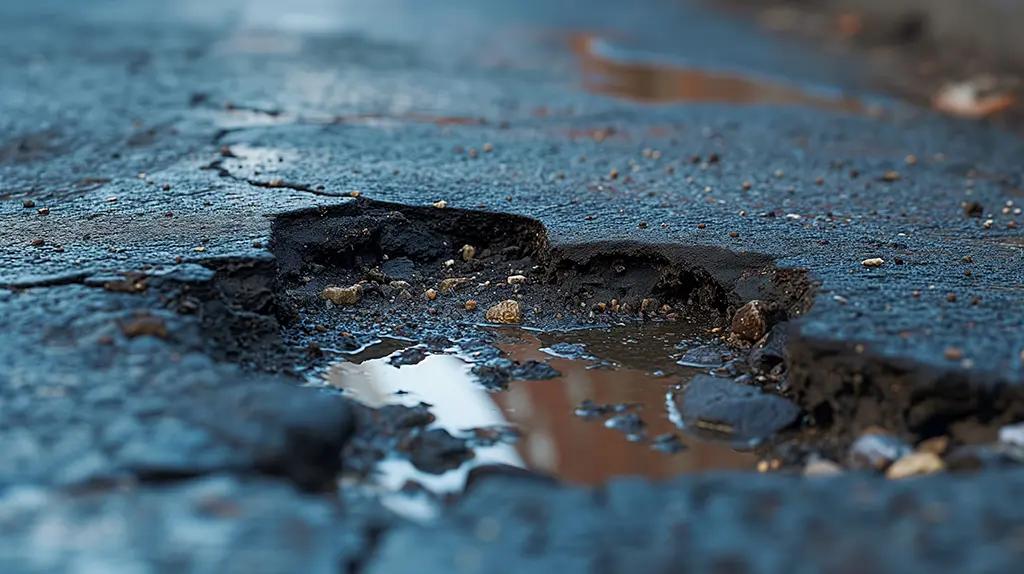
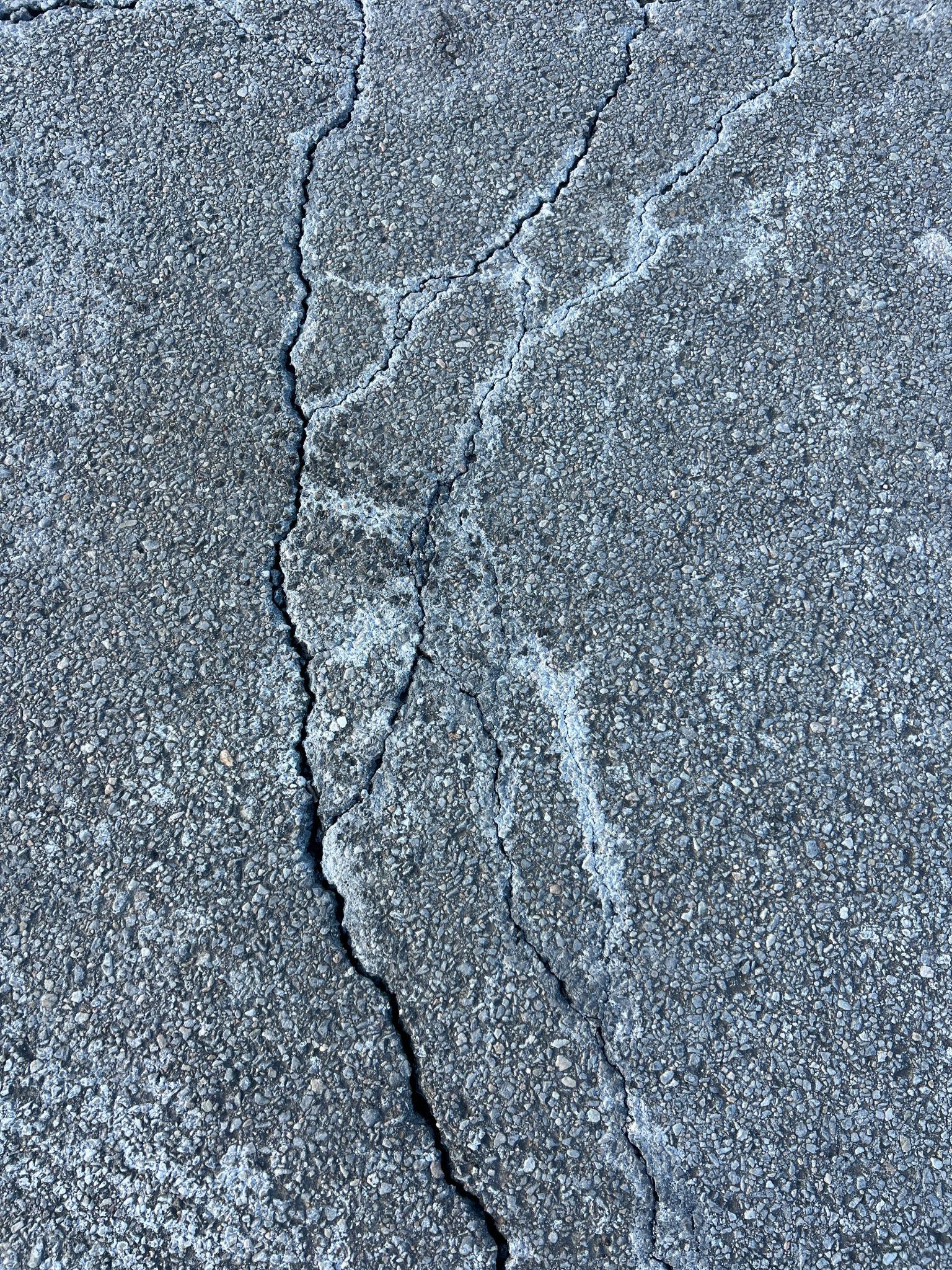
Professionals start with the surface. Cracking patterns matter because they tell the story of what is happening below. Long straight cracks often point to movement or stress. Alligator cracking usually means structural fatigue. Surface raveling may show the asphalt is aging and drying out. Potholes often mean water got below the surface and weakened the supporting base.
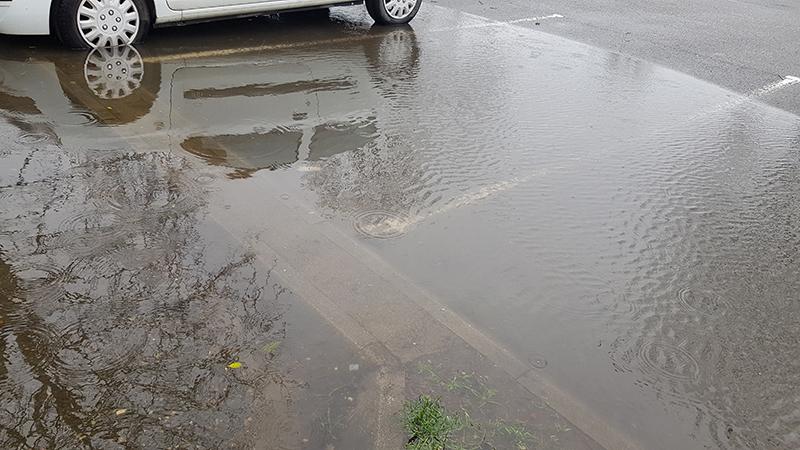
Drainage is another major inspection point. Water is one of the fastest ways to destroy asphalt. During a spring inspection, contractors look for low spots, standing water, poor slope, blocked drainage paths, failing catch basins, and settlement around drains. These issues matter because even a good surface repair will fail early when water continues to sit or move under the pavement.
Edge conditions also matter. Commercial lots often break down first at the edges because they lack support and take repeated stress from turning vehicles. Inspectors look for crumbling sides, grass intrusion, soft shoulders, and broken transitions near curbs or landscaped areas.
A thorough inspection also helps property owners make better financial decisions. Some lots need crack sealing, pothole repair, or localized patching. Others are better candidates for resurfacing. In the worst cases, recurring damage reveals deeper structural failure that calls for removal and replacement. Without an inspection, it is easy to overspend on the wrong repair or underspend on a problem that keeps getting worse.
For Edmonton properties, timing matters too. Spring inspection season is when owners can act before summer schedules fill up and before small failures spread under heavier seasonal traffic. That makes inspections one of the simplest ways to protect the pavement, improve safety, and extend the life of the lot.